
Travel report (Jorge)
- Top
- News & Events
-
Travel report (Jorge)
2026 ASPIRE Symposium
Report: Tübingen, Germany
Name: Jorge Mauricio
# INTRO
From September 28 to October 1, I had the amazing opportunity to attend the 2026 JP-DE ASPIRE Symposium on Neutral Atom Quantum Computing (QC). Together with the Ohmori Group’s QC team from Okazaki, Japan, we traveled to the German city of Tübingen, where this year’s symposium took place.
There, I had the chance not only to learn about Germany’s technological foundations and research infrastructure for neutral-atom quantum computing, but also to reunite with old friends and make new ones. In this report, I would like to share my experience at the Tübingen QC symposium, and I hope I can convince you to join us for the next symposium in Kyoto in 2027!
# The Symposium
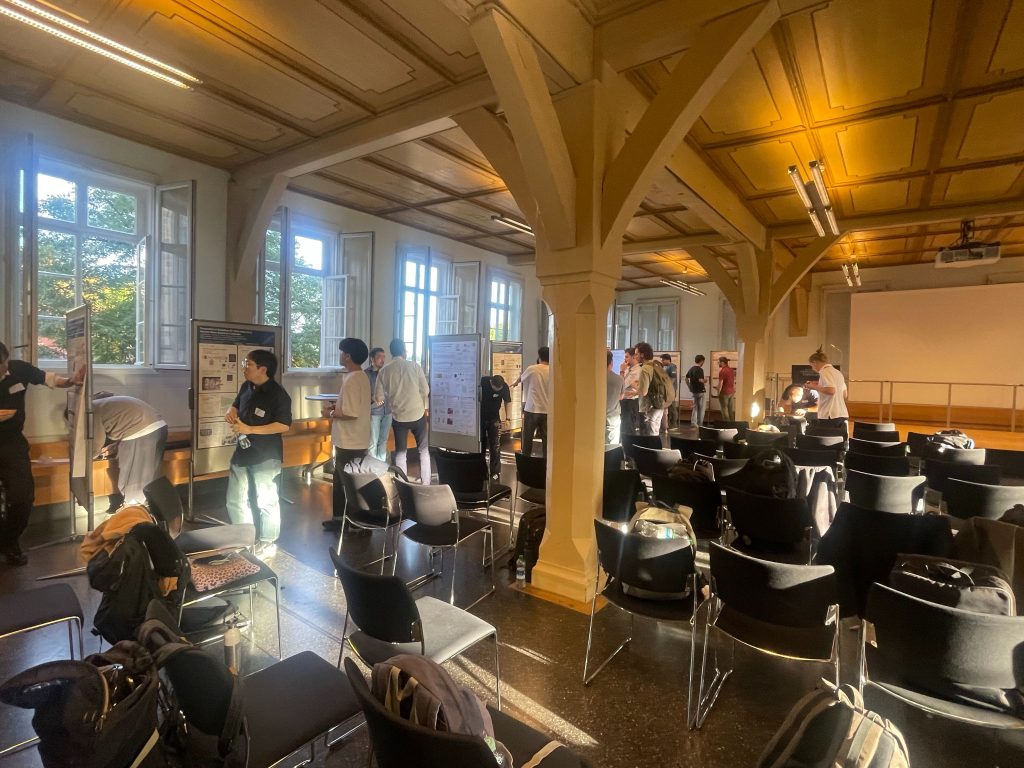
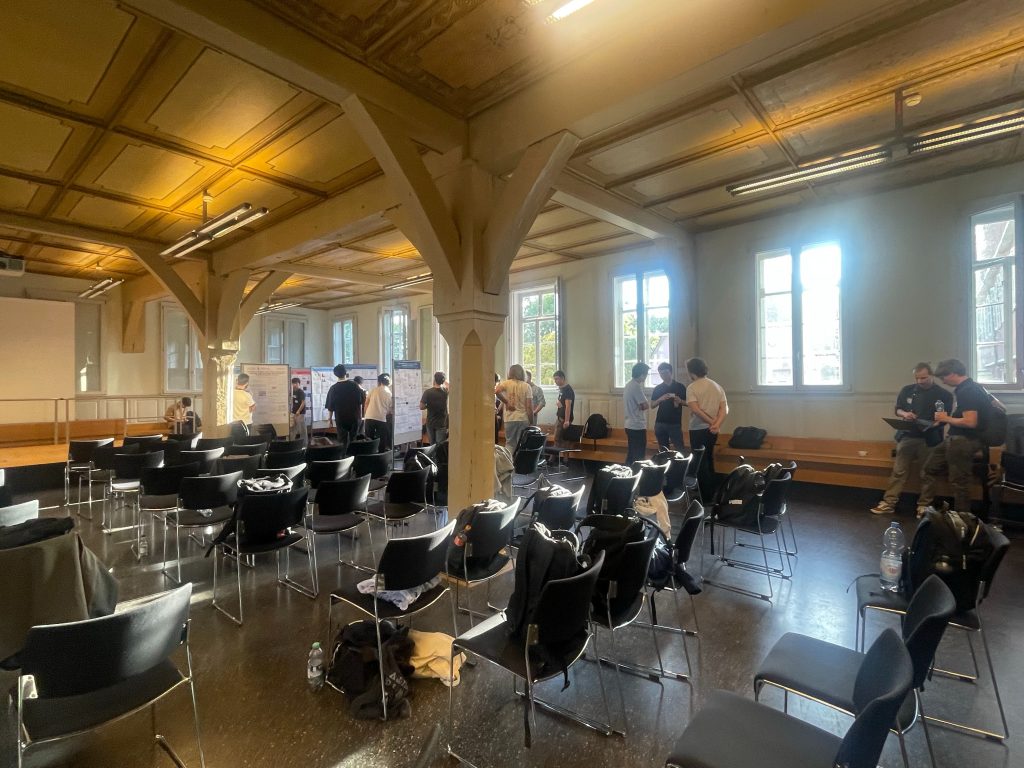
The Tübingen symposium took place at the Alte Aula, a historic building of the University of Tübingen that hosted most of the presentations and poster sessions. Although the venue was not as large as a typical conference hall, it was compact enough to bring everyone together and encourage the day-to-day lively discussions. It almost felt as if someone had designed the room for a many-body interaction experiment, but with researchers instead of atoms! What a coincidence!
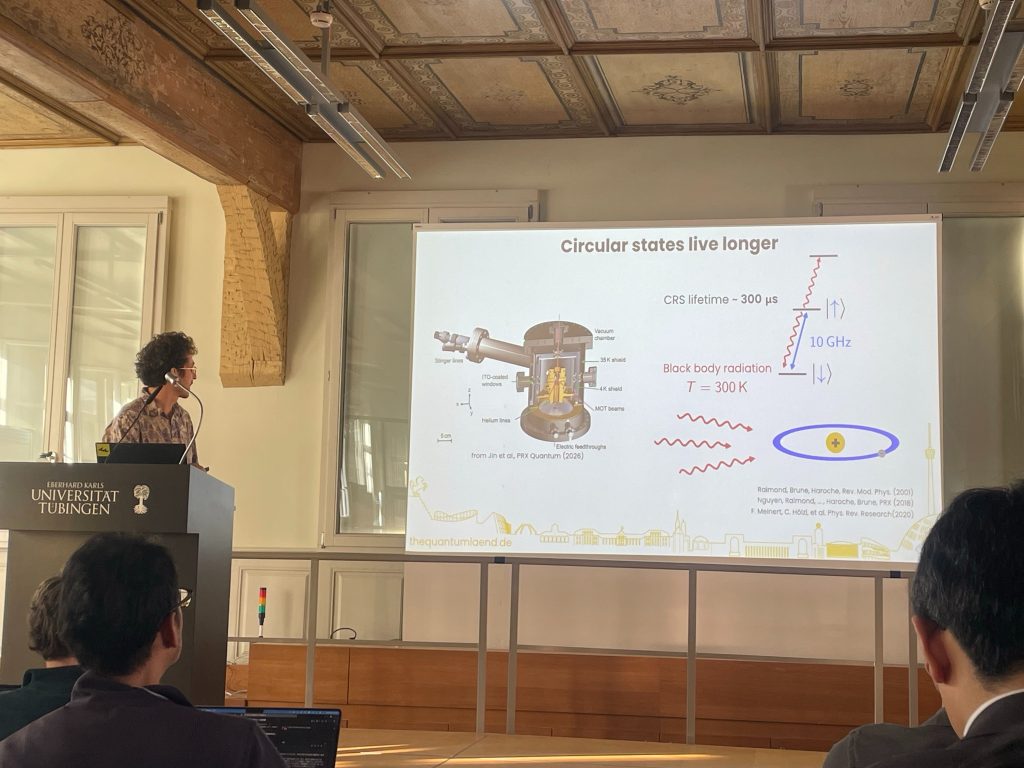
The discussions following the presentations given by representatives from QC companies, professors, and young researchers were fierce but very entertaining. I enjoyed the enthusiasm of each question thrown and the way most of the presenters made their answers accessible to the rest of the audience. Compared with the conferences I have attended in Japan, I particularly appreciated the direct and bold approach of the German principal investigators (PIs). Their enthusiasm revealed a genuine passion for the field, one that I found contagious as a young researcher myself.
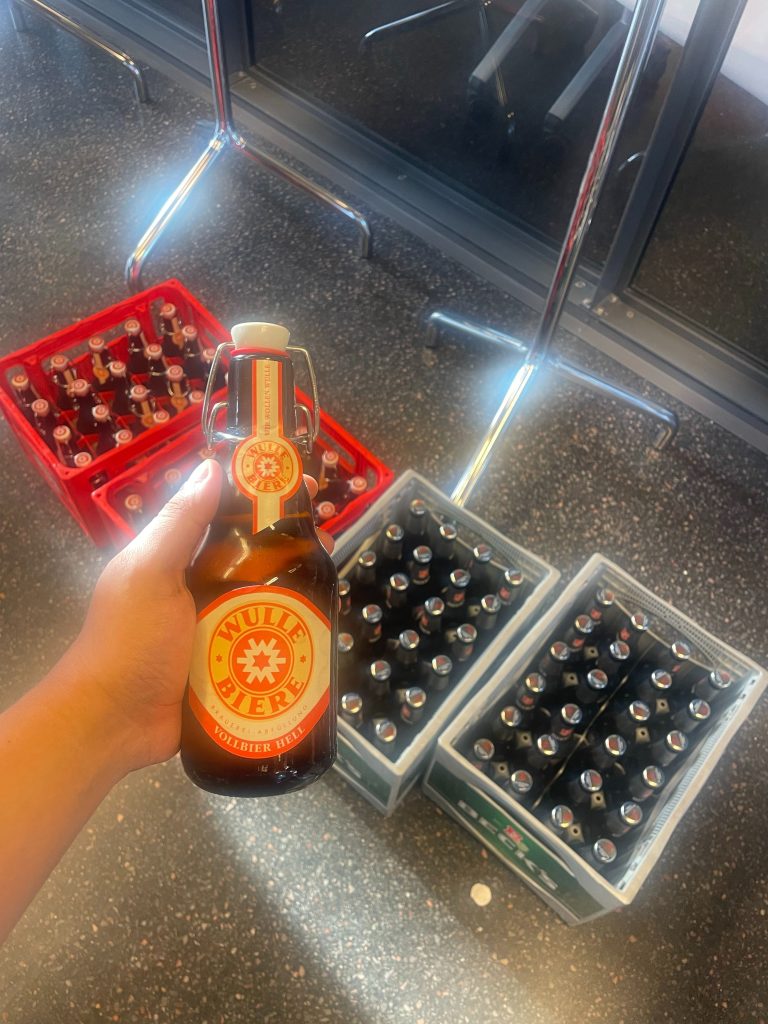
On top of that, I was introduced to a new concept: poster sessions as hours-long scientific discussions with beer freely available! Discussions I liked involved Tubingen’s cryogenics set up, the Stuttgart Abaqus experiment, Waseda’s team progress on their Strontium machine and Kyoto’s new experiment setup. I was happy to see so much development going around in both German and Japanese sides. I must say, the poster session was my favorite part of the symposium.
# The Tubingen experience
The symposium was not only about science, but also about the human connections that keep the field alive with passion and new ideas to bring back to the lab. We strengthened these connections by spending time with old and new friends, sharing meals, and exploring new places together. Below are some of my favorite experiences from this year’s symposium.
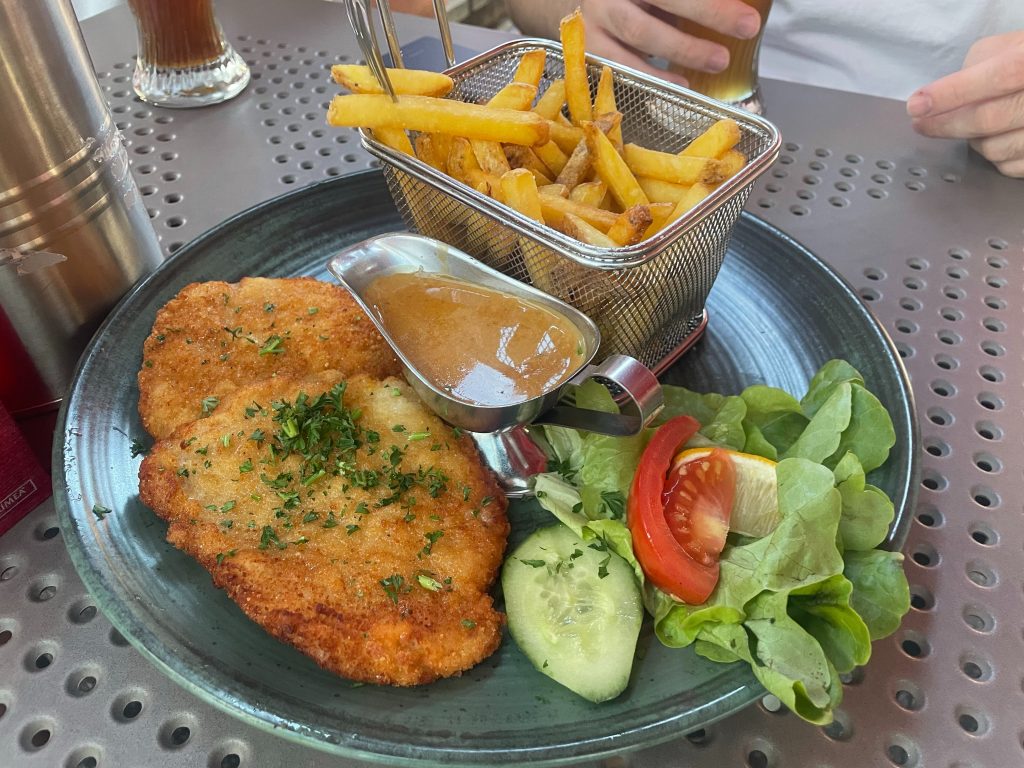
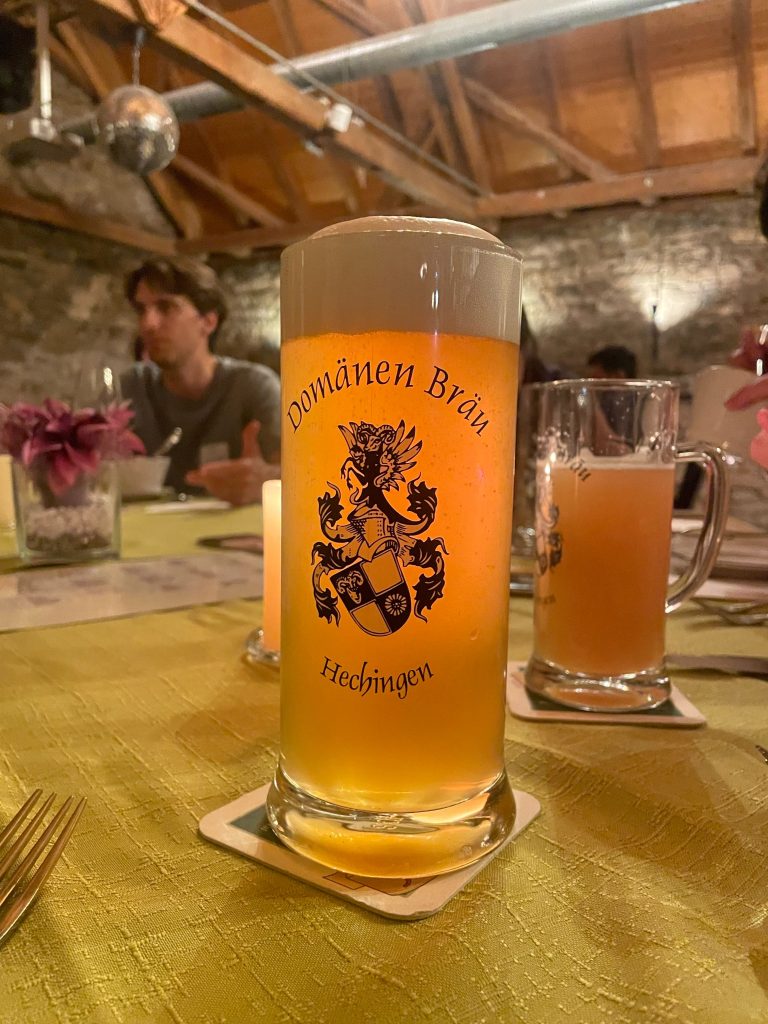
Of course, one of the first things to explore in Germany was the food! I tried traditional German pretzels, the ever-popular Schnitzel, and, naturally, the indispensable German beer.
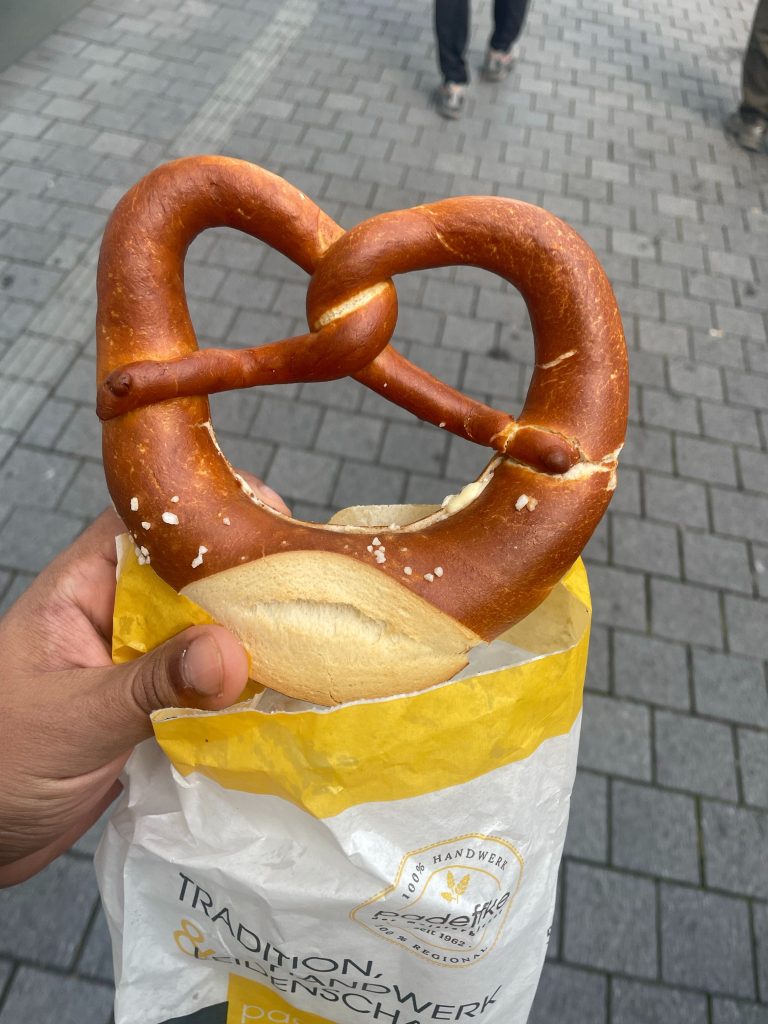
(with butter)
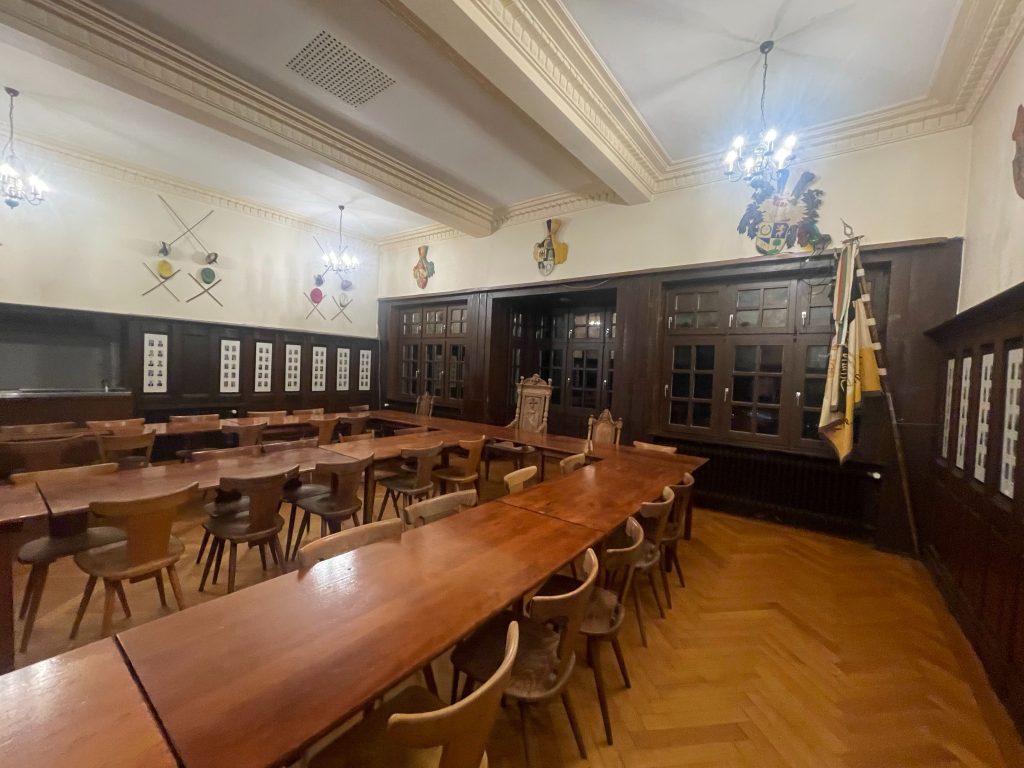
An unexpected journey took us to a historic student house, thanks to our friend Moritz, who kindly invited us to make a detour up towards his student house at the top of the hill. A few of us remained, tired as shown in my face on the lounge picture, but excited enough to go see every corner of the mysterious house. The underground bunker, gym, bar, and main hall, with its history literally written on the walls, were among the highlights of the visit. The building’s modest appearance gave little indication of the rich history hidden inside. I was happy to experience this unexpected tour alongside the last survivors of the night.
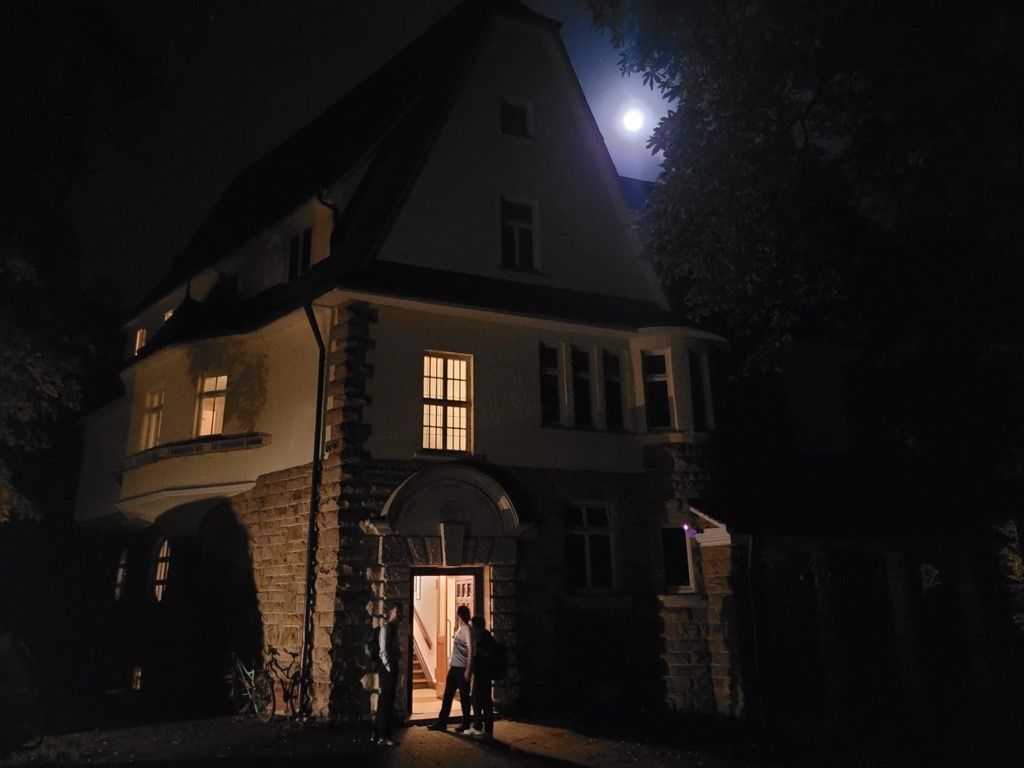
student house
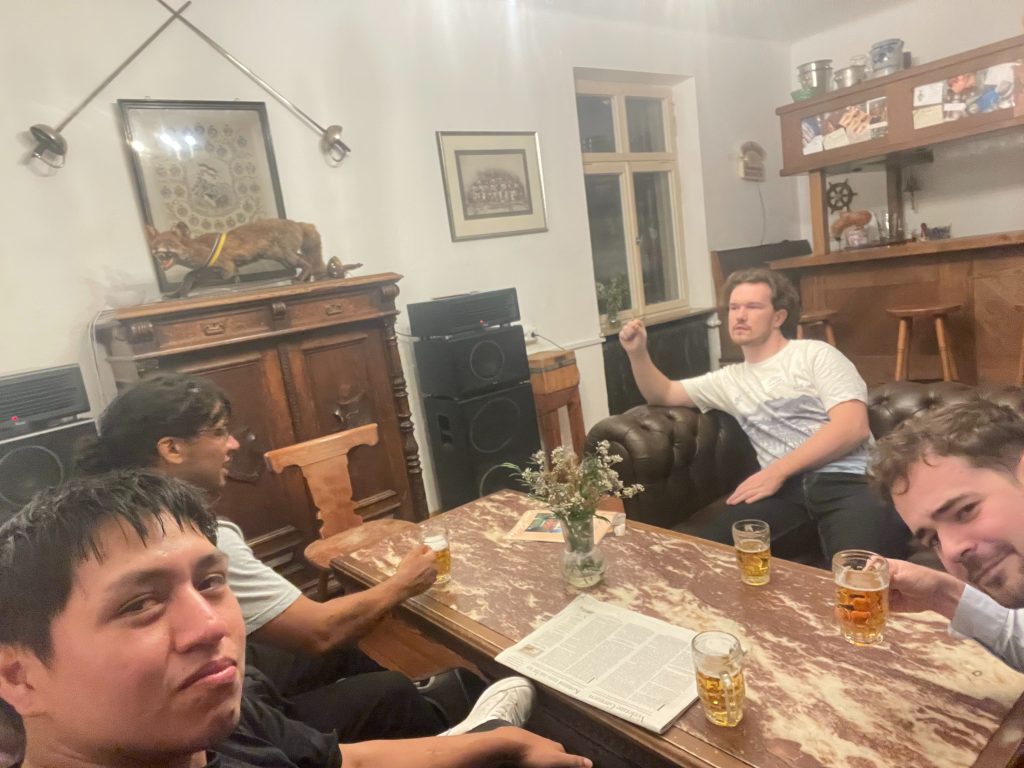
I’m the one with the tired face!
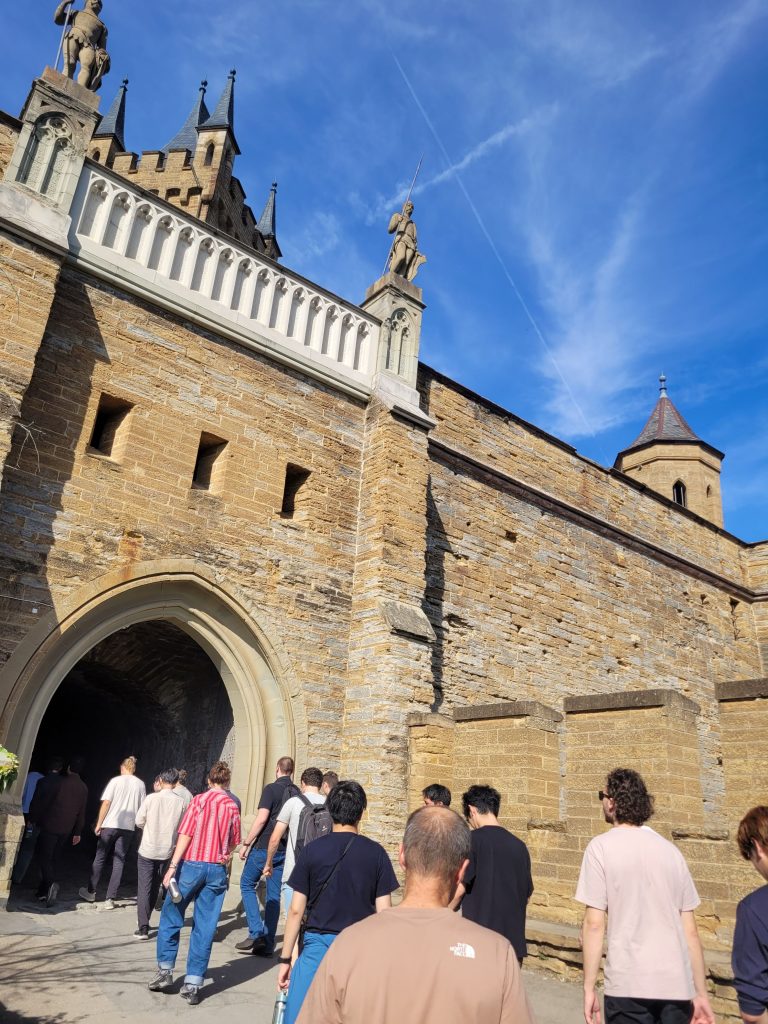
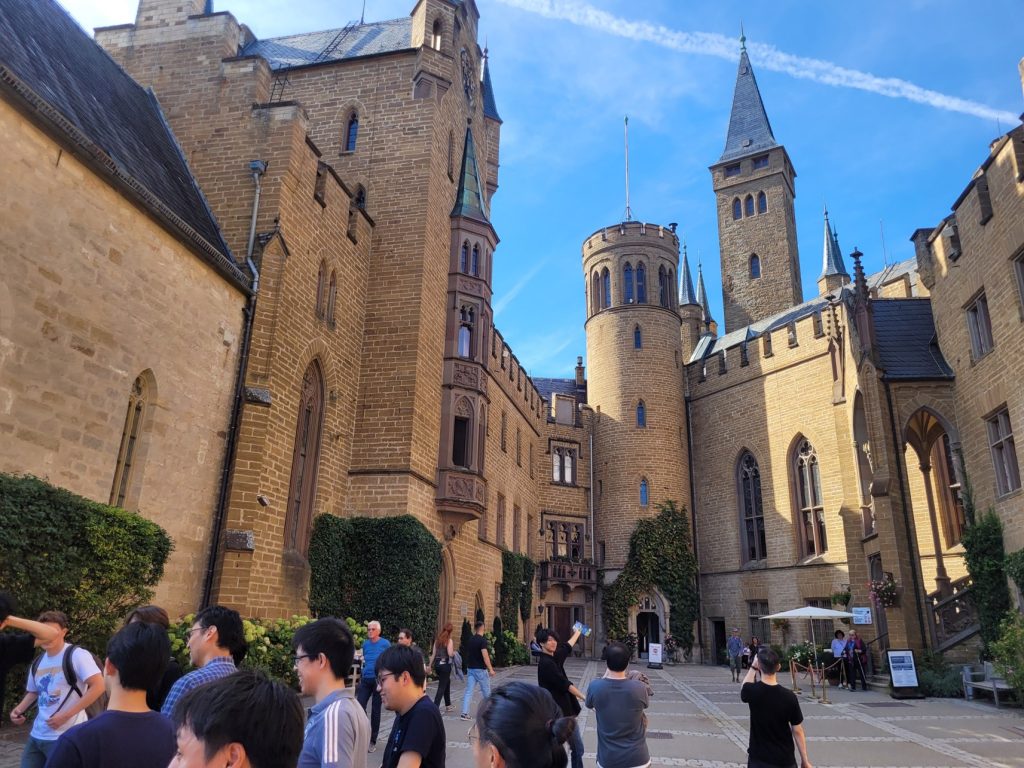
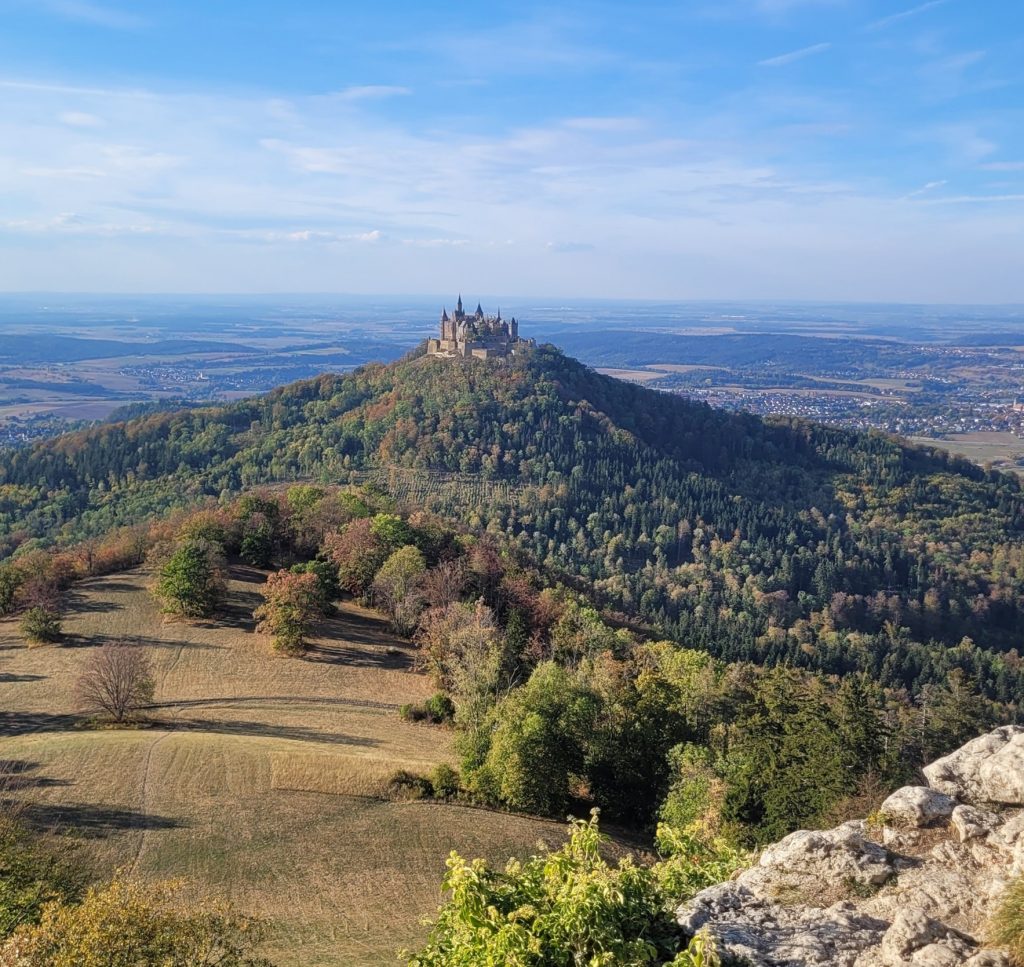
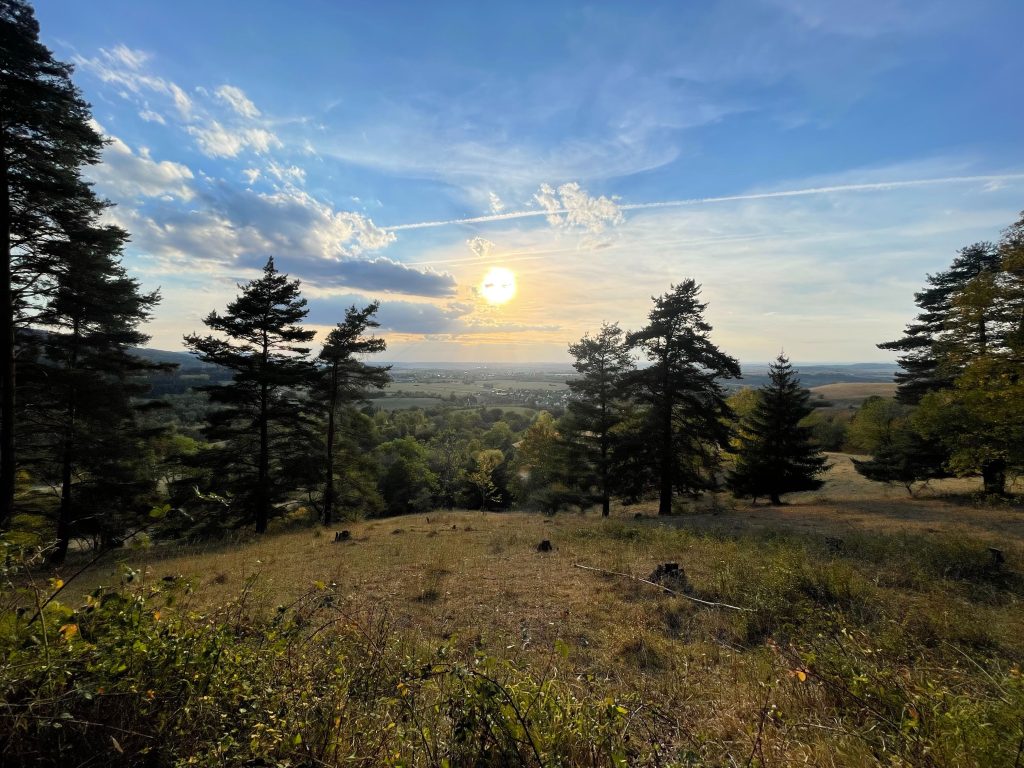
Finally, I would like to share our visit to Hohenzollern Castle. We visited the area toward the end of the symposium and enjoyed a long hike to a nearby hill, where we could admire the castle from afar.
As the sun set on the final day of the symposium, we were treated to a beautiful view of the castle and the green landscapes stretching into the distance. It was a memorable way to conclude our time in Tübingen.
# Tubingen lab visits!
The symposium concluded with laboratory tours at the University of Tübingen, giving us the opportunity to explore several experimental setups and learn directly from the researchers working on them.
Among the experiments we visited were a cryogenic setup, a quantum magnetism experiment, and an AOM-based laser intensity stabilization system operating in the MHz range. I found it particularly interesting to see how much of the laboratory equipment was developed in-house, including custom electronics, optomechanical components, and laser systems. One of the Japanese laboratories that comes to mind for its similarly strong culture of in-house development is the Takahashi Group in Kyoto, where researchers build their own low-frequency electronics, power supplies, external-cavity diode lasers (ECDLs), and UV laser systems.
At the end of the laboratory tour, we also had a chance to relax in the lab’s lounge, where coffee, fruit, water, and even a foosball table were available. By the end of the day, I felt truly grateful to the Tübingen researchers for their warm welcome to both their university and their city. It was an unforgettable experience.
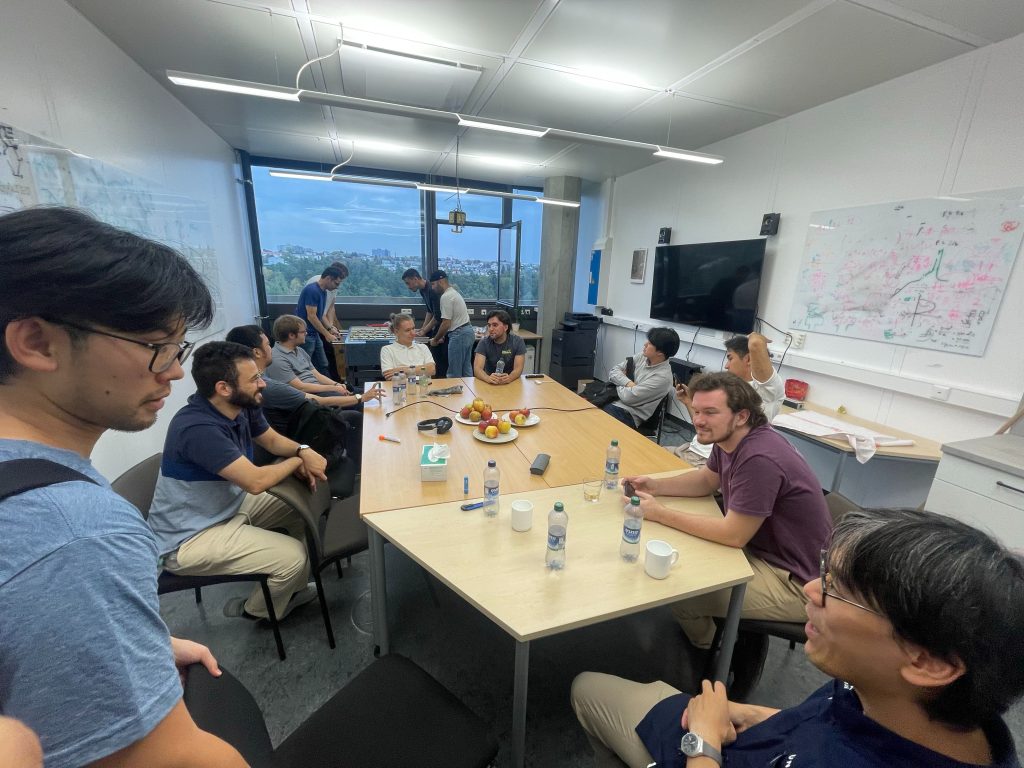
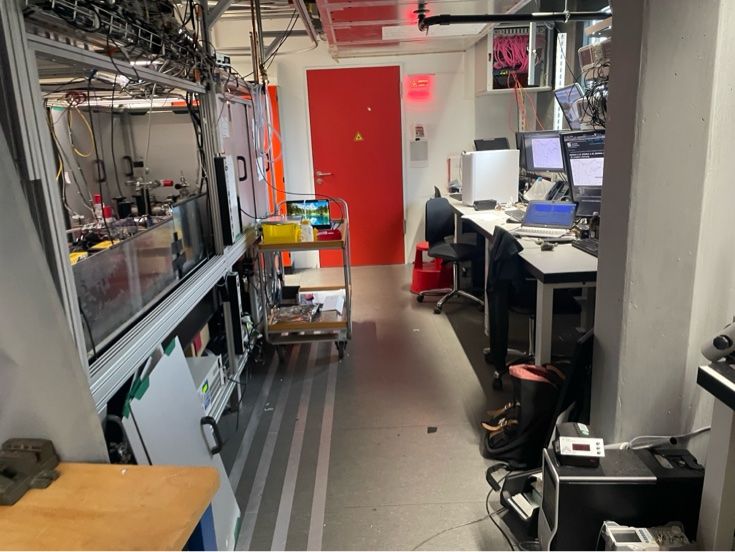
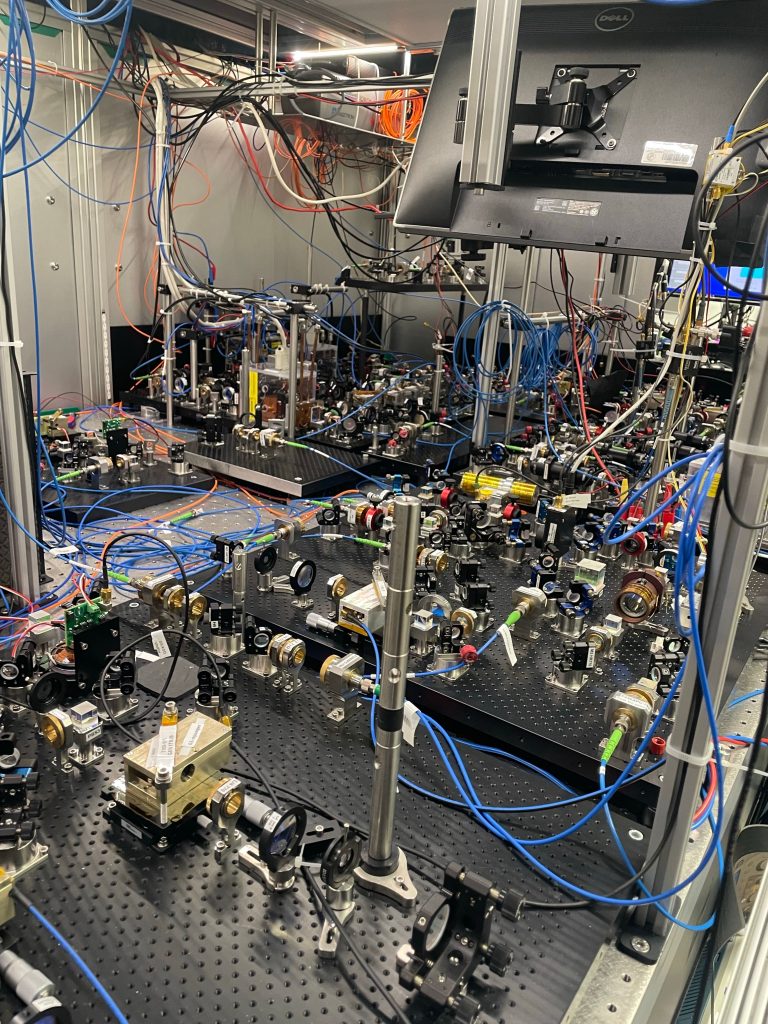
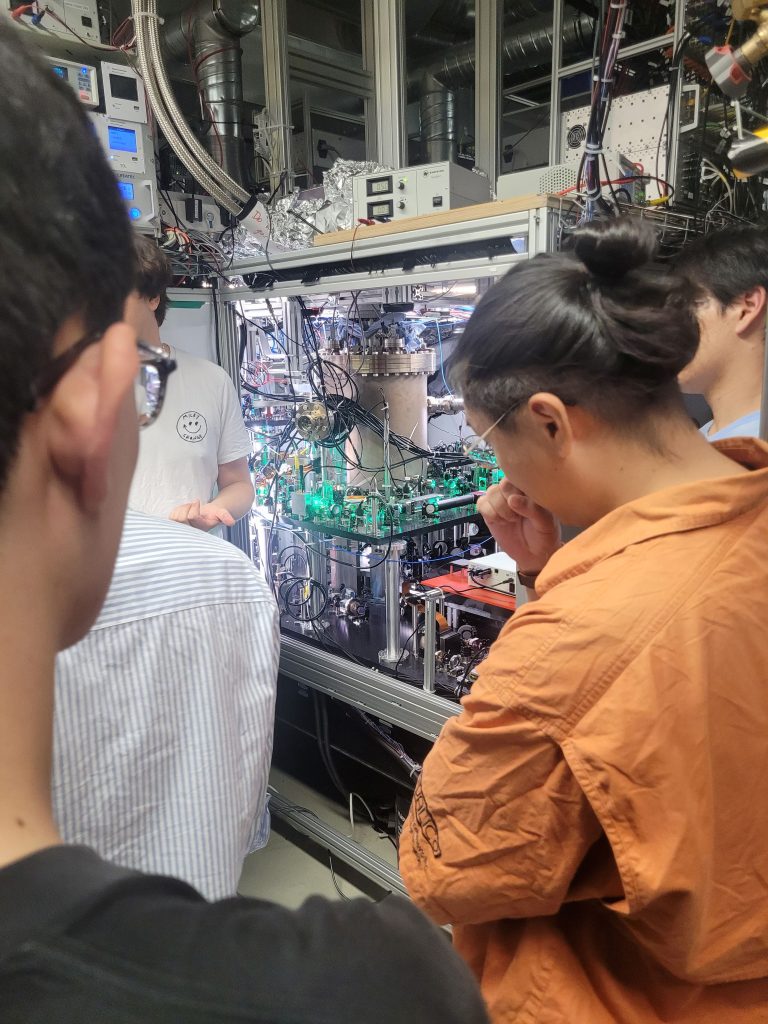
Photo credit: Christian Sommer
# End of the Journey
Looking back, I can confidently say that I had a wonderful time at this year’s ASPIRE Symposium. It was also my first time visiting Europe, which made the experience even more special. Thanks to the people around me, I was able to enjoy the best of both the city and the science.
I would like to sincerely thank the organizers for making this event possible and for their continued support. Special thanks to German PI Christian Groß and his assistant Maria Roeschke from the University of Tübingen, who managed the organization of the symposium, and from Japan side thanks to Akane-san for the effort of connecting both sides towards this event. Many students from the Japanese side, myself included, had never visited Europe before, and the guidance and assistance we received before, during, and after the symposium made a real difference.
I am already looking forward to welcoming the next generation of young German researchers to Kyoto in 2027, as well as seeing familiar faces again. I hope the friendships, collaborations, and scientific discussions that began or continued in Tübingen will grow stronger in the years to come.
Until next time, in Kyoto!
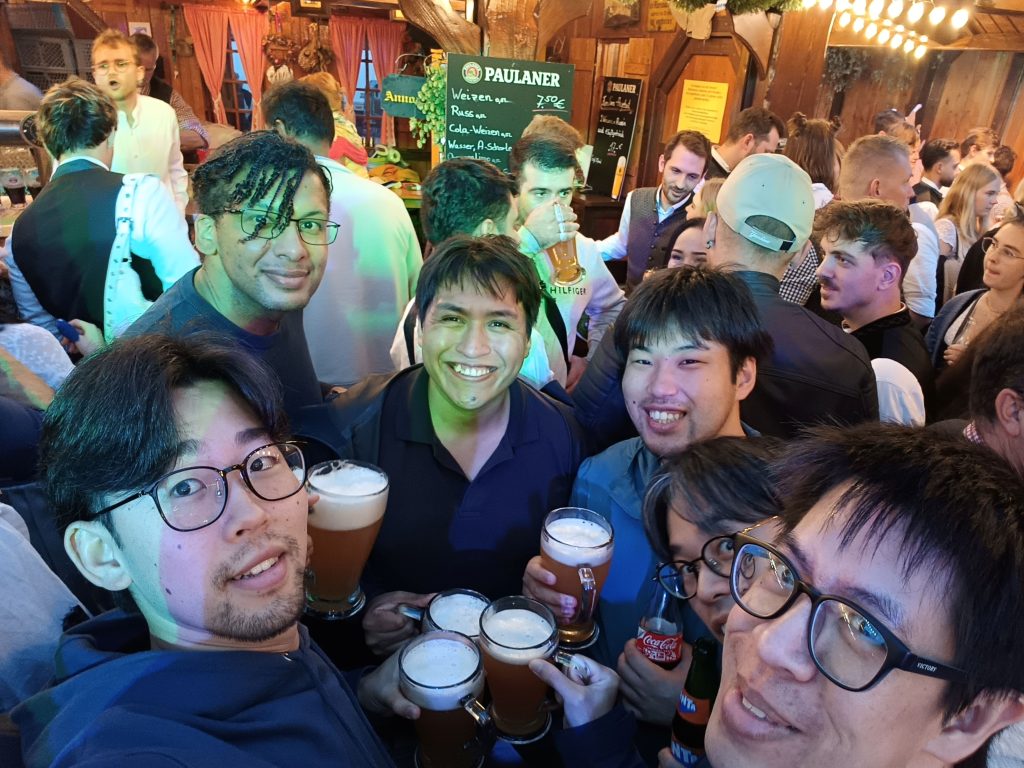
A well deserved October fest after the Symposium.
Me (center) together with part of the Okazaki QC team.
Photo credit: Shinkawa Seiya